How to Check if a Recycled 18650 Battery is Good or Bad
18650 batteries are rechargeable lithium-ion cells that power many devices like laptops, flashlights, power tools, and electric vehicles. They can be recycled and reused for different applications, but you need to check them first to ensure they are safe and working.
There are two main methods to check a recycled 18650 battery: using a multimeter or using a battery tester. A multimeter is a tool that measures voltage, current, and resistance. A battery tester is a tool that measures capacity, internal resistance, and discharge rate.
To check a recycled 18650 battery using a multimeter , you will need:
A multimeter, a resistor,alligator clips,a stopwatch
Here are the steps:
Set the multimeter dial at the battery checking level and attach the clips to the probe tips.
Pick a resistor that matches the battery’s voltage. For example, if your battery has 3.7 volts, you can use a 10 ohm resistor.
Reset your stopwatch and connect one end of the resistor to the positive terminal of the battery.
Set the multimeter knob to show direct current (DC) and connect its positive probe to the other end of the resistor.
Connect its negative probe to the negative terminal of the battery and start your stopwatch.
Read the current value on your multimeter screen and write it down.
Stop your stopwatch when your battery voltage falls below 2.6 volts or after one hour (whichever comes first).
Divide your current value by 1000 to get milliamps (mA) and multiply it by your stopwatch time in hours to get milliamp-hours (mAh). This is an estimate of your battery’s capacity.
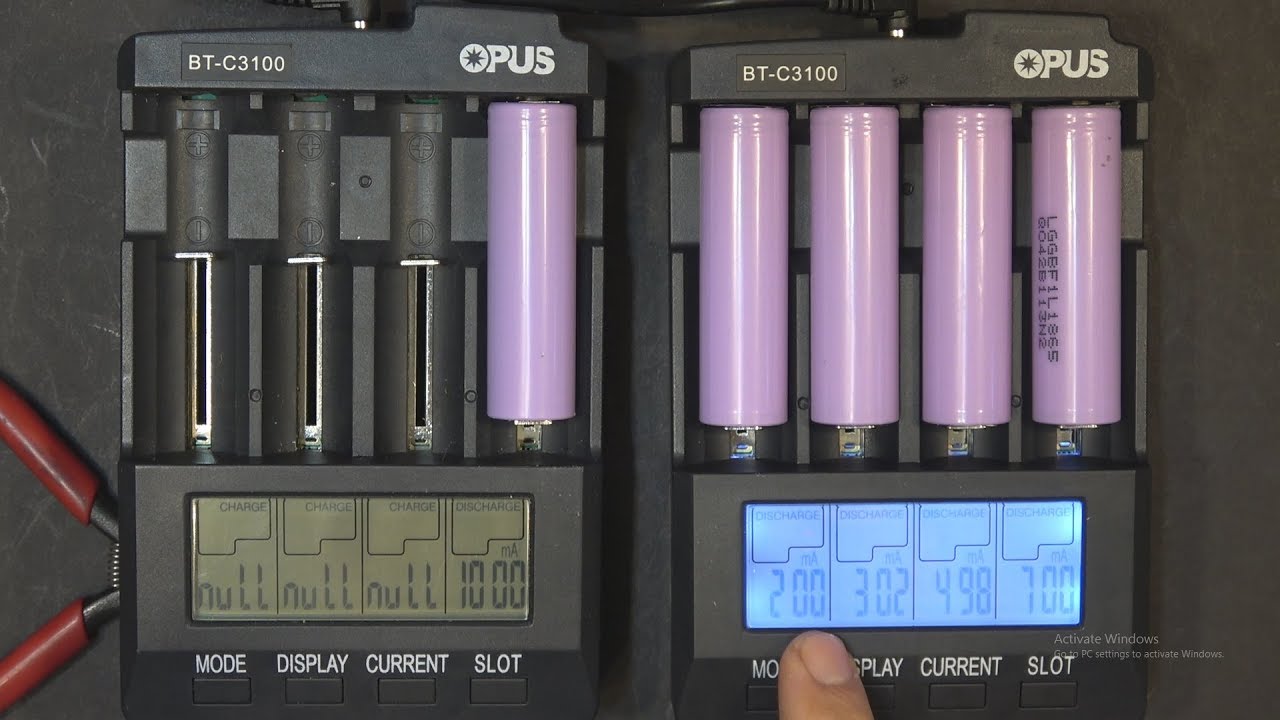
To check a recycled 18650 battery using a battery tester, you will need:
A battery tester
A holder for four 18650 cells
Here are the steps:
Put your recycled 18650 batteries into the holder slots according to their polarity.
Connect your holder wires to your battery tester terminals according to their polarity.
Turn on your battery tester and choose “Test” mode.
Select “Li-ion” as your chemistry type and “3S” as your cell count (if applicable).
Press “Start” button and wait for your tester to finish its cycle.
Read your capacity value on your tester screen for each cell.
These methods will help you find out if your recycled 18650 batteries are good for reuse or need more recycling.

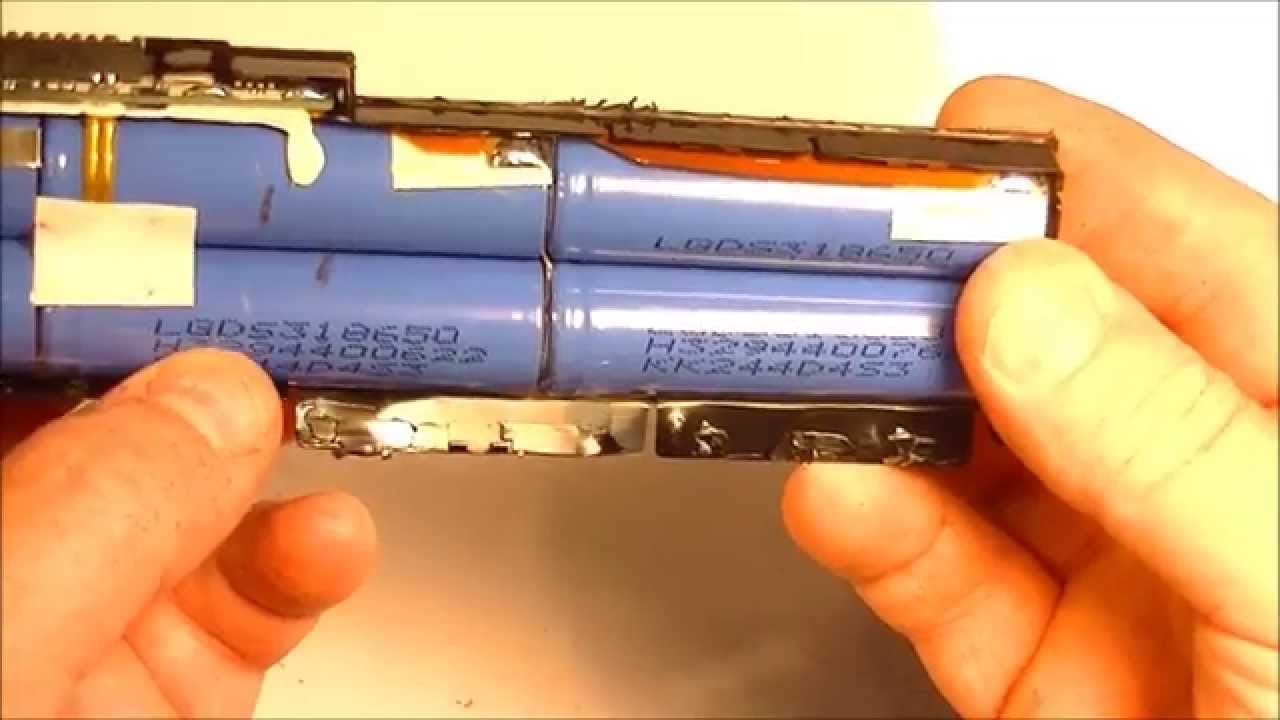
Harvesting 18650s from laptop batteries
18650 batteries are commonly used in laptops as a source of power. However, when the battery is no longer holding a charge, or when you need to replace it with a new one, you will need to remove the old battery. In this article, we will guide you through the process of removing 18650 batteries from laptop batteries.
Step 1: Prepare the tools
To remove the 18650 battery, you will need a set of screwdrivers, a pair of pliers, and a soldering iron. Make sure the screwdriver fits the screws in your laptop battery. Also, ensure the soldering iron has a small tip and is not too hot.
Step 2: Open the laptop battery
To open the laptop battery, use the screwdriver to remove the screws from the battery casing. Once the screws are removed, gently pry the casing open using the pliers. Be careful not to damage any wires or components inside the battery.
Step 3: Identify the 18650 battery
Once you have opened the laptop battery, you will see several components, including the 18650 battery. It is a cylindrical-shaped battery with a length of 65mm and a diameter of 18mm. The battery may be connected to the circuit board or other components of the laptop battery.
Step 4: Disconnect the 18650 battery
Use the soldering iron to heat the solder joints that connect the 18650 battery to the circuit board. Once the solder melts, use the pliers to gently pull the battery away from the circuit board. Make sure you do not damage any other components while removing the battery.
Step 5: Remove the 18650 battery
After you have disconnected the 18650 battery from the circuit board, you can remove it from the laptop battery casing. Gently pull the battery out of the casing and place it in a safe place away from heat or direct sunlight.



The Rise of Used Lithium Battery Market with the Increase of EV Sales
In recent years, the electric vehicle (EV) market has experienced significant growth, and the demand for lithium-ion batteries has skyrocketed as a result. As more and more people adopt EVs, the number of used lithium batteries will continue to increase, leading to the growth of a used battery market.
Lithium-ion batteries are critical components of EVs and are used to store energy for the vehicle's propulsion system. They have several advantages over traditional lead-acid batteries, including a longer lifespan, higher energy density, and faster charging times. However, as these batteries reach the end of their life cycle, they will no longer be able to meet the demands of an EV.
The growth of the used battery market is inevitable as the number of EVs continues to increase. It is estimated that there will be more than 140 million EVs on the road by 2030, and as these vehicles reach the end of their life cycle, the number of used batteries will continue to grow. These used batteries still have a significant amount of energy capacity and can be repurposed for other uses, such as energy storage systems, grid balancing, and peak shaving.
There are several benefits to the growth of the used battery market. First, it provides a source of recycled materials that can be used to produce new batteries, reducing the demand for virgin materials and the environmental impact of battery production. Second, it provides a cost-effective way to store energy, making it a valuable resource for communities and businesses. Third, it provides a source of income for individuals and companies that can collect, refurbish, and repurpose used batteries.
Despite these benefits, there are still some challenges to the growth of the used battery market. One of the biggest challenges is ensuring that used batteries are properly collected and processed. Many used batteries still end up in landfills, where they can have a negative impact on the environment. Additionally, there is a lack of clear regulations in many countries, making it difficult to properly manage the used battery market.
To overcome these challenges, it is important to increase public awareness of the importance of recycling used batteries and to establish clear regulations for their management. Governments, manufacturers, and recyclers can also play a role by investing in new technologies that make it easier and more cost-effective to collect and recycle used batteries.
In conclusion, the increase of usage of lithium batteries and the growth of the EV market will inevitably lead to the growth of the used battery market. This growth provides a valuable opportunity to reduce waste, increase energy storage capacity, and promote sustainability. By working together, we can ensure that used batteries are properly collected and processed, and that we can continue to enjoy the benefits of EVs.


© JonahDevs 2023